Insights
Plain-language guides on how California land is valued, written for owners, lenders, and advisors.
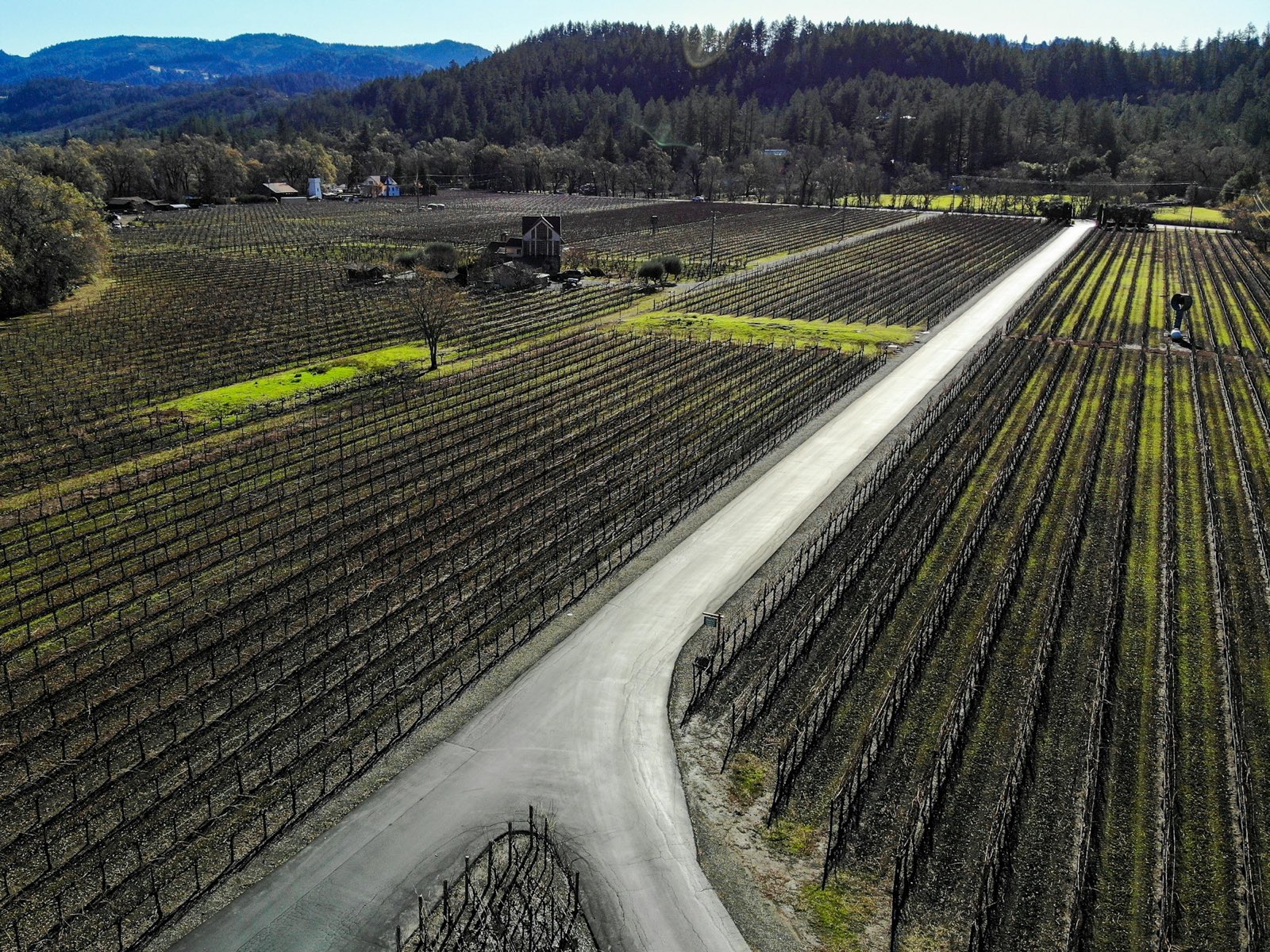
How agricultural land is appraised in California
Water, soils, plantings, and comparable sales: what drives the value of California farmland, and how an appraiser weighs each one.
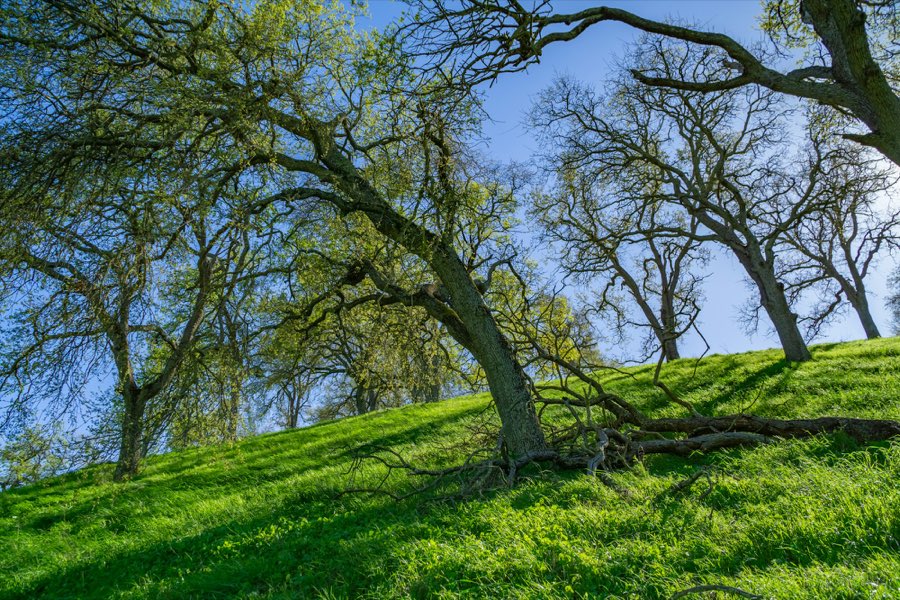
Date-of-death appraisals for inherited land: what executors need
Why a retrospective value date matters, what the IRS expects to see in the report, and the California rules that catch families off guard.

Conservation easement appraisals, step by step
The before-and-after method, how to document an easement for grant funding or a donation, and where these appraisals go wrong.

How water rights change the value of farmland
Riparian rights, appropriative rights, wells, and district water: how each one shows up in the price of California farmland.

Entitled vs. unentitled land: pricing the difference
What entitlement risk means for price per acre, and how a land residual analysis measures it.

What lenders look for in a land appraisal
Scope, highest and best use, and the exposure-time questions that come up in underwriting, plus why you usually can't order the lender's appraisal yourself.
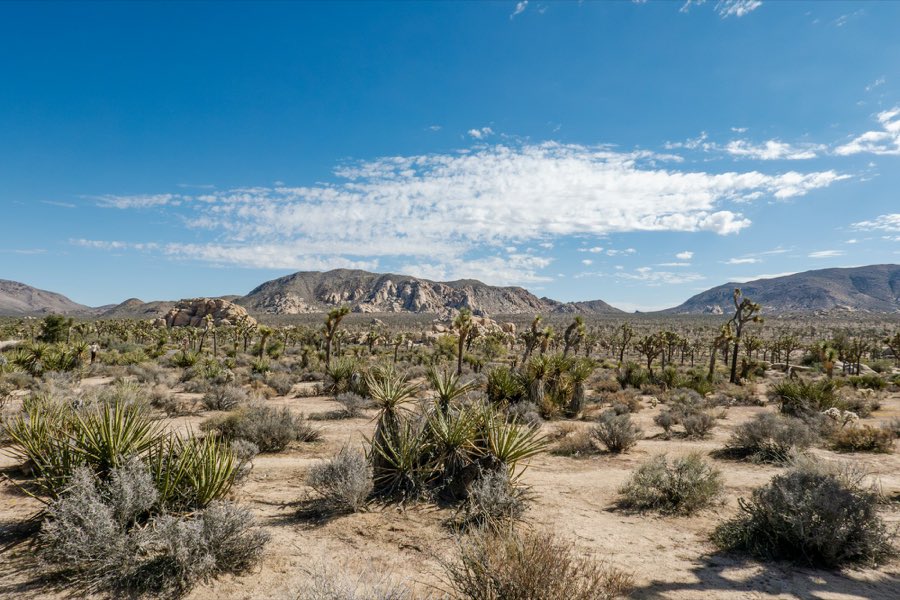
Why vacant land is harder to value than a house
Few sales, wide price ranges, and the importance of access, utilities, and slope. What makes raw land tricky, and how a good appraisal handles it.

Williamson Act contracts and land value
A Williamson Act contract lowers property taxes and restricts development. When does it change what the land is worth, and by how much?
The featured guide above is the only one in this topic so far.