Development land appraisal in California
Land for subdivisions, multifamily, and mixed use, valued at the stage it's actually at. That can be raw, in entitlement, approved, or ready to build.
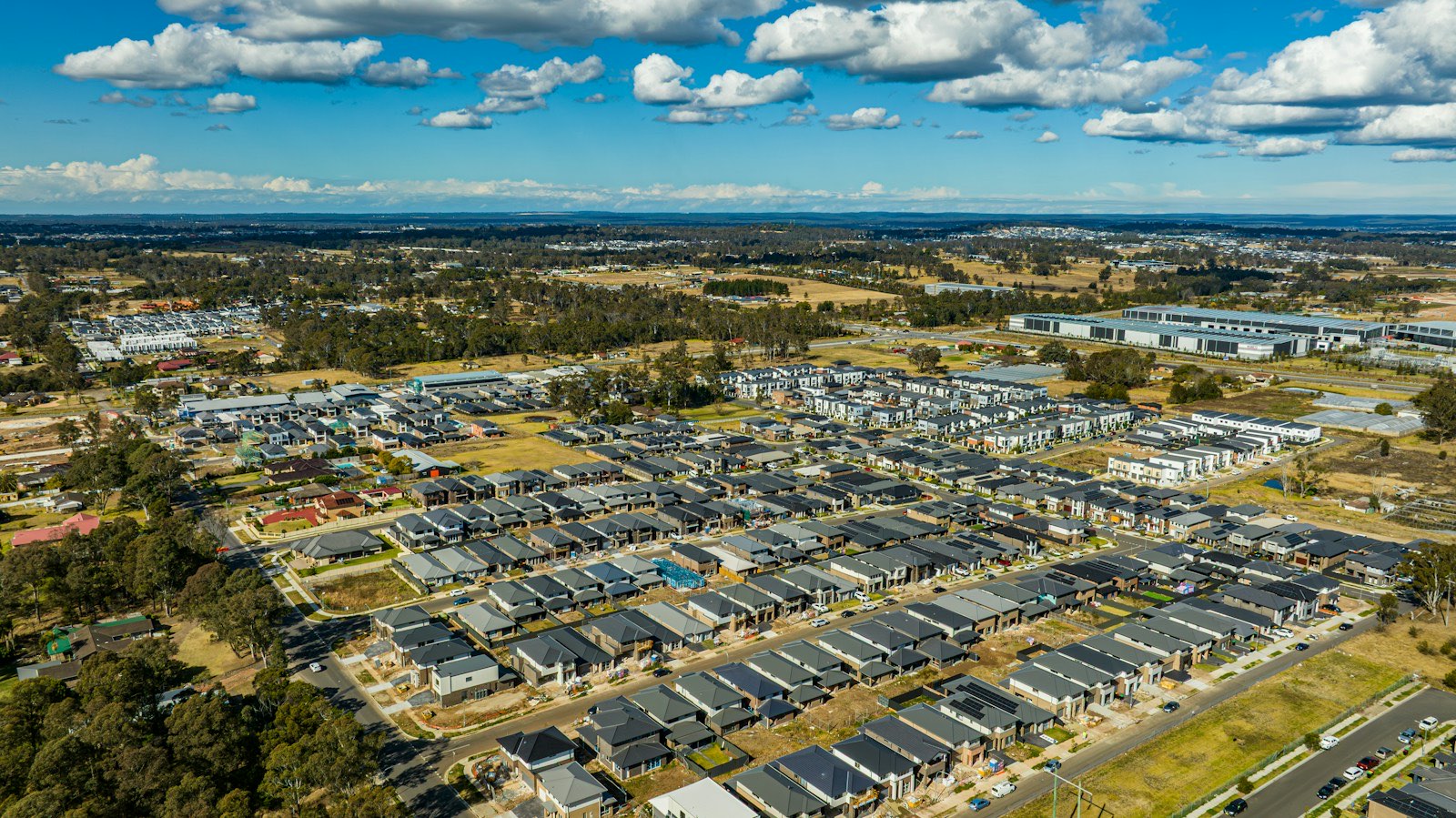
A development land appraisal values a site by what can be built on it, how long approval will take, and what it will cost to build. The same forty acres can have three very different values: before a tentative map, after approval, and once the lots are graded and ready. Most of our development work is telling you which of those values the market supports today, and why.
Value by entitlement stage
Value rises as risk comes off the table. Buyers price in each approval still to come, the time it will take, and the chance it won't happen.
| Stage | What a buyer is taking on |
|---|---|
| Raw or unentitled | Every approval still to come, possible rezoning, CEQA review, and the full timeline |
| Zoning in place | Subdivision or site plan approval, CEQA review, and conditions of approval |
| Tentative map approved | Final engineering, bonding, fees, and map expiration if work stalls |
| Final map recorded | Site improvements and construction |
| Finished lots | Mostly market risk: home prices and how fast lots sell |
Our article entitled vs. unentitled land walks through a worked example of how the discount is measured.
Land residual analysis
When there aren't enough sales of comparable sites, we value the land by working backward from the finished project. Take what the completed lots or buildings will sell for. Subtract everything it costs to get there, including the developer's profit. What's left is what a developer can pay for the land.
Land residual results are sensitive to their inputs. A small change in home prices or build costs moves the land value a lot. So we check every assumption against market data and test the result against whatever comparable land sales exist.
California rules that move value
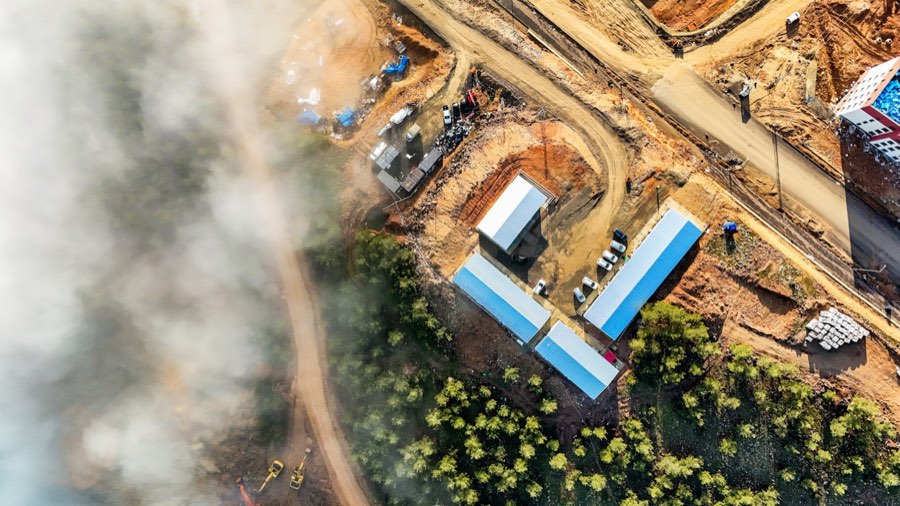
State housing law has changed what many parcels can support, and appraisals have to keep up:
- SB 9 allows many single-family lots to be split, or to carry two units, with ministerial approval.
- The State Density Bonus Law lets projects that include affordable units build above base density.
- SB 35 and SB 423 streamline approval for qualifying housing projects in jurisdictions that are behind on their housing targets.
- Impact and school fees vary widely by jurisdiction and can add tens of thousands of dollars per unit. We use the jurisdiction's current fee schedule, not a rule of thumb.
We don't assume a parcel qualifies for any of these. We check what the jurisdiction's rules actually allow for your site.
As-is and prospective values
Construction lenders and partners often need more than one number. We can report the market value as is today, as entitled once approvals are in hand, and as complete once lots are finished. Values that depend on future events are clearly labeled as prospective, with the conditions stated as USPAP requires.
What to send us
- APNs, and the site plan or tentative map if one exists
- Entitlement status, conditions of approval, and any development agreement
- Engineer's cost estimates and the jurisdiction's fee letters
- Your pro forma or absorption assumptions, if you have them
- Which values you need: as is, as entitled, or as complete
Questions
Can you value my site as if the project were already approved?
Yes. That's a prospective value under a hypothetical condition, and the report will say so clearly. Most clients who ask for it also need the current as-is value next to it, so they can see what the approvals are worth.
Will you just use my pro forma?
No. We read it and use it as a starting point, but every revenue, cost, and timing assumption is checked against market evidence. Where our numbers differ, the report explains why.
Do you appraise infill and multifamily sites, or only subdivisions?
Both. For multifamily and mixed-use sites we usually compare on price per buildable unit or per square foot of allowed floor area, alongside a residual analysis.
Why does a development appraisal cost more?
It needs more analysis: entitlement review, cost research, and often a residual model on top of comparable sales. Fees start at $2,495, and you'll get a fixed quote first. See pricing.
Tell us where it is in entitlement and which values you need. You'll get a fixed quote within one business day.