Agricultural land appraisal in California
Orchards, vineyards, row-crop ground, and rangeland. A farm's value comes from its water, its soil, and what's planted on it, so we value all three.
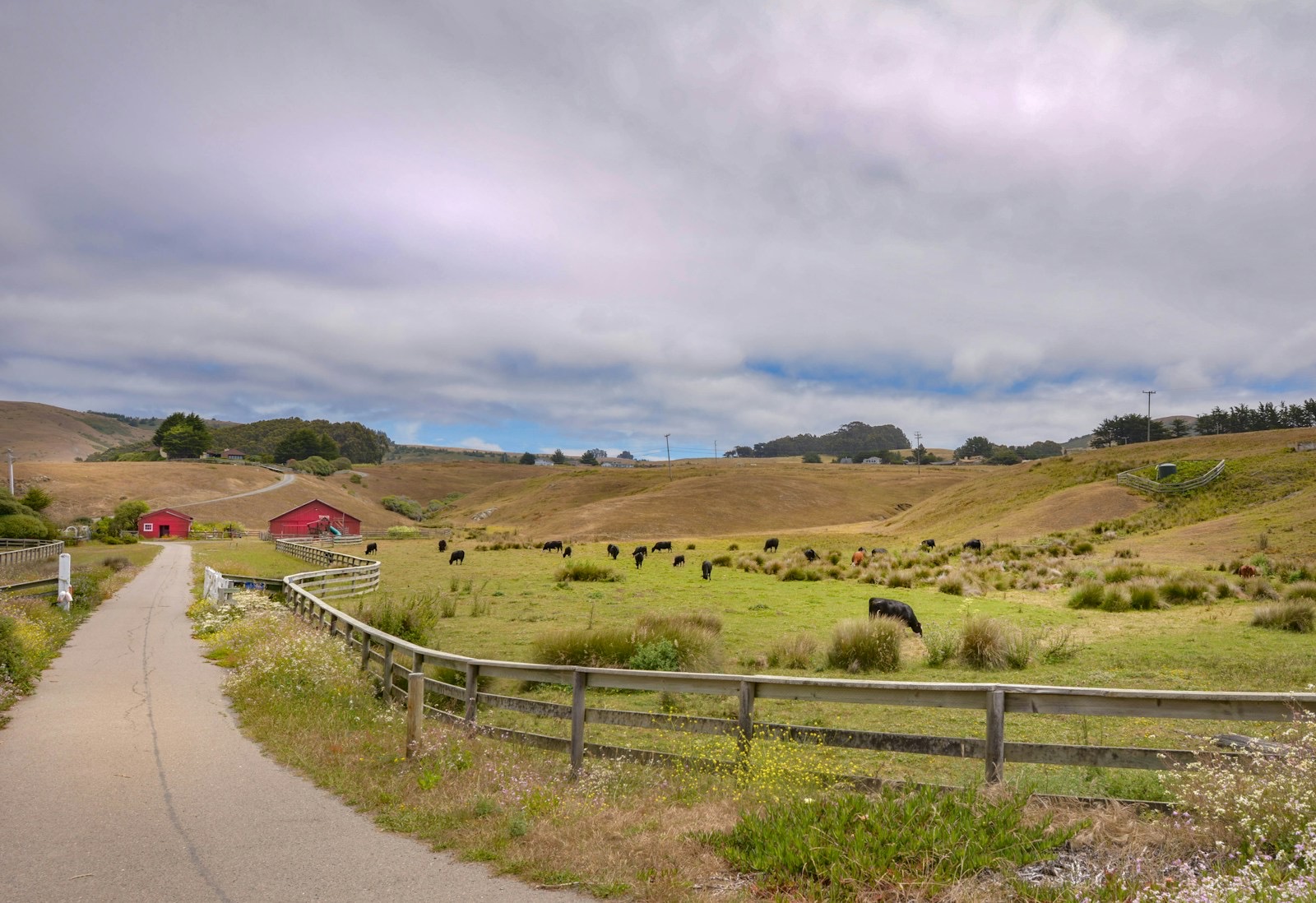
An agricultural appraisal is a market value opinion for land used to grow crops or raise livestock. In California that usually means tree nuts, wine grapes, citrus, row crops, or grazing land. The work is different from a house or a vacant lot. Buyers pay for water, soil quality, and the plantings in the ground, and those can matter more than location or acreage.
What we appraise
- Permanent plantings: almond, pistachio, and walnut orchards, citrus, stone fruit, and vineyards.
- Open farmland: row-crop and field-crop ground, including land that has been fallowed.
- Rangeland and ranches: grazing land, cow-calf operations, and recreational ranches bought for lifestyle and hunting as much as for cattle.
- Farm improvements: wells, pumps, irrigation systems, shops, barns, corrals, and on-farm housing, valued for what they add to the whole property.
What drives farm value
Two farms of the same size in the same county can sell for very different prices per acre. These are the factors we analyze on every agricultural assignment:
| Factor | What we look at |
|---|---|
| Water | District allocations and delivery history, well capacity and depth, surface water rights, and the parcel's groundwater allocation under the local sustainability plan. |
| Soils | Soil series and land capability class from the USDA Web Soil Survey, and the state's Important Farmland designation. |
| Plantings | Crop, variety, age, spacing, yield history, and how much productive life remains. |
| Restrictions | Williamson Act contracts, conservation easements, and county agricultural zoning. |
| Infrastructure | Irrigation systems, frost protection, fencing, stock water, roads, and farm buildings. |
Water usually matters most. Since the Sustainable Groundwater Management Act (SGMA) took effect, a parcel's pumping allocation can predict its value better than the number of wells on it. We cover this in more depth in how water rights change the value of farmland.
Orchards and vineyards
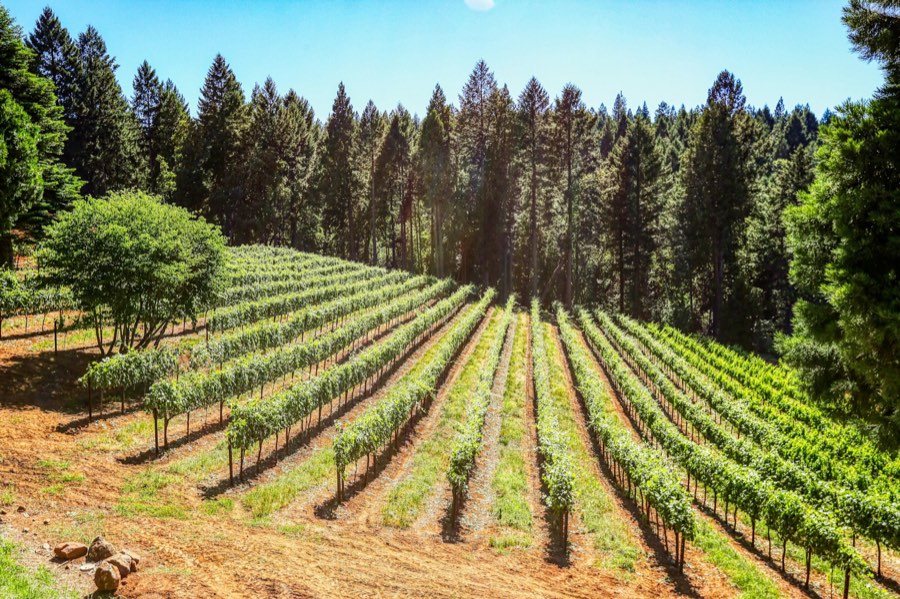
Trees and vines are part of the real estate, and they wear out. A ten-year-old almond orchard at full production and a thirty-year-old orchard nearing replacement can sit on identical soil and still sell for very different prices. We look at each planting's age, variety, rootstock, spacing, and yield records. Then we test what buyers have actually paid for comparable plantings, rather than adding up the cost to plant them.
For vineyards, appellation and variety matter as much as tonnage. Grape prices by district are published every year in the state's grape crush report, and we use them to check whether a vineyard's income supports its price.
How we reach a value
- Sales comparison is the main method. We compare recent sales of similar farms, adjusted for differences in water, soils, plantings, and improvements.
- Income capitalization checks the result against what the land can earn from cash rent or crop returns. We use the University of California's crop cost and return studies as one reference.
- Cost analysis helps value farm buildings and newer improvements.
We also compare our results with published market surveys, such as the California Chapter of the American Society of Farm Managers and Rural Appraisers' annual Trends in Agricultural Land & Lease Values.
Appraisals for farm loans
Farm Credit System lenders, banks, and USDA programs set their own appraisal requirements. For most federally regulated loans, the lender must order the appraisal itself, so one you commission privately may not be accepted for the loan. If you're financing, ask your lender first. We work directly for lenders, and for owners who need a value for a purchase, a sale, a lease negotiation, or planning. See what lenders look for in a land appraisal.
What to send us
- APNs and a map of the farm or ranch boundary
- Crop and planting records: varieties, planting years, and acreage by block
- Three to five years of production history, if available
- Water district statements, well reports, and any groundwater allocation notices
- Leases, Williamson Act contracts, and any recorded easements
Questions
Do you value the orchard separately from the land?
We report one market value for the property as a whole, because that's how farms sell. When a lender, an estate, or a tax matter needs the split, we can also allocate the value among the land, the plantings, and the improvements.
Can you appraise land with a reduced groundwater allocation?
Yes. We treat the allocation as a property characteristic and look for sales in the same basin with similar water status. Where water is traded separately, those prices are direct evidence too.
Do you appraise ranches bought mainly for recreation?
Yes. Many California ranches sell for well above what grazing alone would support, because buyers are paying for privacy, hunting, views, or a homesite. We compare against sales bought for the same reasons.
Is the land under a Williamson Act contract worth less?
Often, but not always. The contract limits use and lowers property taxes, and buyers weigh both. See our article on Williamson Act contracts and land value.
Send the APNs and what you need the value for. You'll get a fixed quote within one business day.