How agricultural land is appraised in California
Water, soils, plantings, and comparable sales: what drives the value of California farmland, and how an appraiser weighs each one.
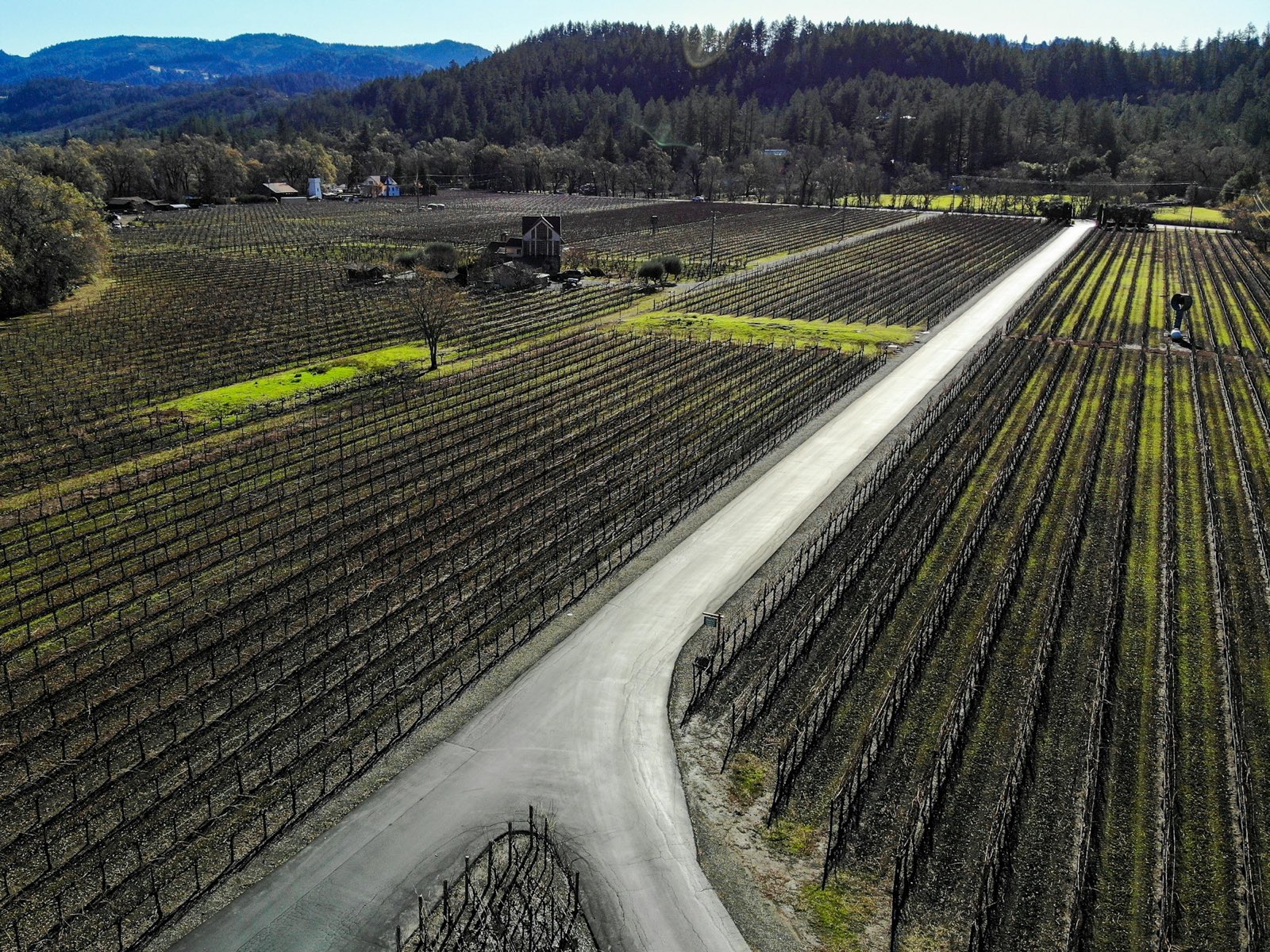
Farmland is valued mostly by comparing it with similar properties that have sold recently. With agricultural land, though, "similar" is doing a lot of work. Two parcels next to each other can differ in value by thousands of dollars per acre because of water, soil, or what is planted on them.
This guide walks through what an appraiser looks at on a California farm or ranch, in roughly the order it matters, and what you can have ready to make the assignment faster and the report stronger.
1. Water comes first
In most of California, water is the biggest single factor in the value of farmland. An appraiser documents where the water comes from, how reliable it is, and what limits apply to it. That usually means some combination of:
- District water. Is the parcel inside an irrigation or water district? What has the district actually delivered over the last ten years, not just in wet years? Central Valley Project and State Water Project allocations have dropped to zero for some contractors in recent drought years.
- Wells. How many, how deep, what they produce, and their age and condition. Pump test results and power bills are useful evidence.
- Groundwater rules. Under the Sustainable Groundwater Management Act (SGMA), local agencies are phasing in pumping limits, allocations, and fees. A well in a critically overdrafted basin is not worth what the same well was worth ten years ago.
- Surface water rights. Riparian, pre-1914, or post-1914 appropriative rights, each with different rules and different reliability.
We cover water in more detail in How water rights change the value of farmland.
2. Soils and farmability
Soil class, drainage, salinity, slope, and field shape all affect which crops a parcel can support and how cheaply it can be farmed. Appraisers use the NRCS Web Soil Survey, land capability classes, and the Storie Index (a California-specific soil rating), along with the state's Important Farmland maps, which classify land as Prime, of Statewide Importance, Unique, and so on.
These ratings aren't just noted in the report. They are compared against each comparable sale. A sale of Class I soils with district water isn't a good match for a parcel with Class III soils and a single well, and the report should either adjust for that or find better sales.
Two parcels next to each other can differ in value by thousands of dollars per acre.
3. Permanent plantings
Orchards and vineyards add value, or take it away, depending on variety, rootstock, age, spacing, and how many productive years they have left. A young almond orchard coming into full bearing and a 25-year-old block that's near the end of its life are not the same asset, even at the same price per acre on paper.
The appraiser looks at production history, the market for the crop (walnuts and some wine grape varieties have gone through hard stretches, for example), and what it would cost to pull and replant. In some cases an old orchard has a negative contribution: a buyer would discount the land by the cost of removing it.
4. Williamson Act and other restrictions
A large share of California farmland is under a Williamson Act contract, which lowers property taxes in exchange for keeping the land in agriculture. The contract runs with the land and binds the buyer. For most farms far from town it has little effect on value. Near a growing city it can matter a great deal, because it delays development for years. See Williamson Act contracts and land value.
Conservation easements, flood easements, pipeline and power line rights-of-way, and leases are also read and accounted for.
5. Comparable sales
The sales comparison approach carries most of the weight in almost every farmland appraisal. Each comparable sale is checked with a party to the deal when possible: the buyer, the seller, or a broker. We confirm the price, the terms, what was included, and whether anything unusual was going on, such as a 1031 exchange buyer on a deadline or a sale between relatives.
Each sale is then adjusted for differences in water, soils, plantings, improvements, location, size, and market conditions. The adjustments appear in a grid in the report, with the reasoning written out, so a reader can follow how each sale led to the final number.
Where farms are commonly leased, the appraiser may also use an income approach: capitalizing the cash rent the land could command. Where there are significant improvements, such as a shop, a house, or a cold storage facility, their contribution is valued separately.
6. Highest and best use
Near growing cities, the most valuable use of a farm may be future development instead of continued farming. The appraisal has to test that directly, because it changes which sales count as comparable. A 40-acre orchard at the edge of a city with a growth boundary moving its way is competing with land speculators, not just farmers.
The test has four parts: what's legally allowed, what's physically possible, what's financially feasible, and which of those produces the highest value. For most farmland the answer is continued agricultural use, but the report should show that the question was asked.
7. What to have ready
- APNs and a legal description or deed
- Water: district statements, well logs, pump tests, and any SGMA allocation notices
- Crop and planting history, including variety, rootstock, and year planted
- Production records for the last three to five years, if available
- Leases, easements, and any Williamson Act contract
- A list of improvements and major equipment that transfers with the land
None of this is required to get a quote. But the more of it we have at the start, the faster the report comes back, and the less we have to rely on assumptions.
This article is general information about appraisal practice, not legal, tax, or investment advice. Rules change, and every property is different. Talk to your attorney or tax advisor about your situation.
Tell us the parcel and the deadline. We'll send a fixed quote within one business day.